AVAILABLE FOR PURCHASE
Fort Eustis Virginia 1951 25th Training Battalion and 449th H/C & M/M Battalion
TRAINING MANUAL
Approximate size 10 3/4 inch x 7 3/4 inch.
There are no page numbers but there are at least 60 pages chock full of clear, crisp black and white photos of camp activities from 1951. The digital camera sometimes adds a "wave" to the background, but these digital miscues are not present in the book.
This belonged to my Dad who served in the Korean War during 1951/53; you can see him in one of the images below; he circled his picture and name as shown. He also wrote his name on the inside cover. Other than - personal markings, a slighlty warn top left corner and the gold paint rubbed off of the raised letters on the front cover - the book is in excellent condition.
I assume this book was created for the enlisted personnel, like my father, who were either drafted or enlisted to serve. It reminds me of a high school yearbook, only for the military. Was it merely a souvenier? A little bit of propaganda? Maybe a little of both then, but today it's a priceless slice of history.
PLEASE CLICK ON BORDERED IMAGES FOR LARGER VIEW; USE YOUR BROWSERS "BACK" BUTTON TO RETURN TO THIS PAGE
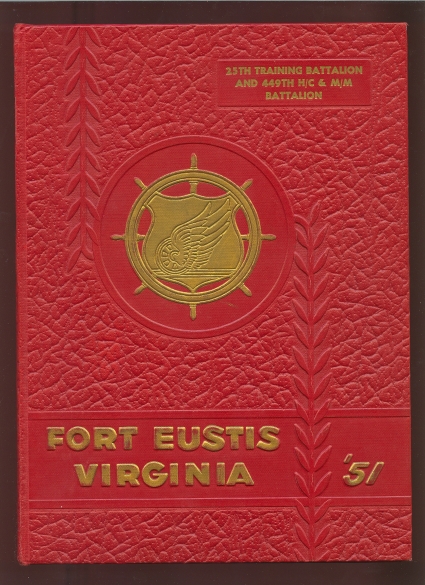


1) The cover. ---- 2) Transportation Center. ------ 3) Brigadier General Duffie.
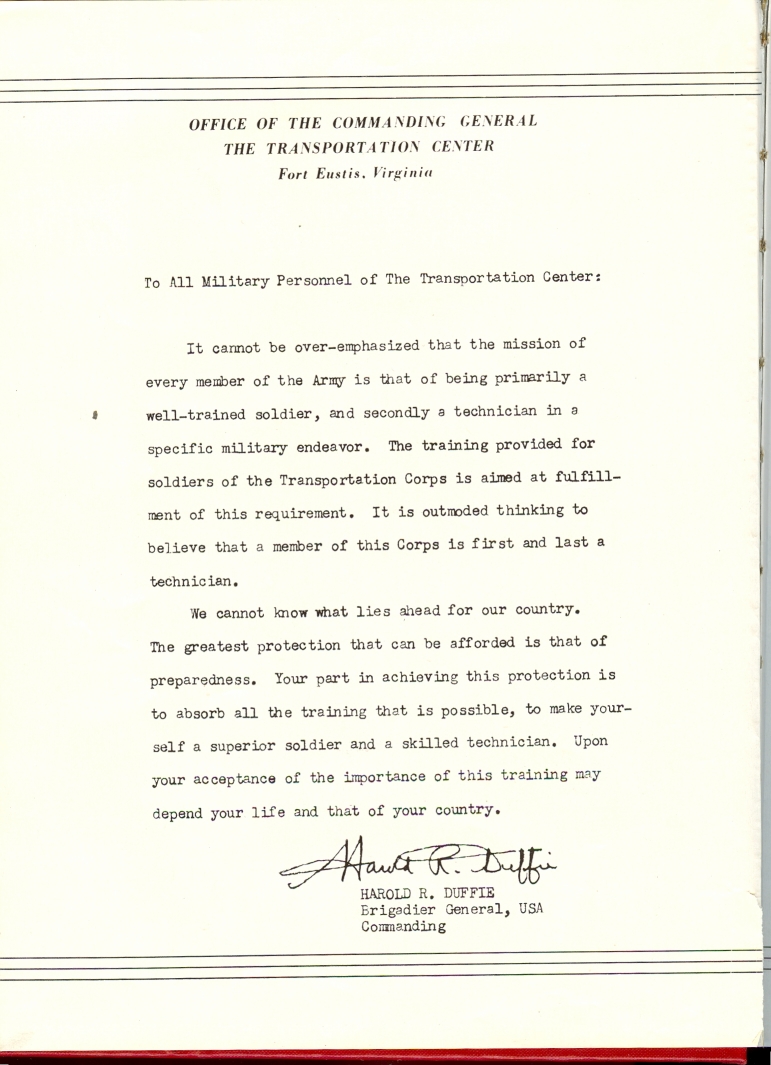
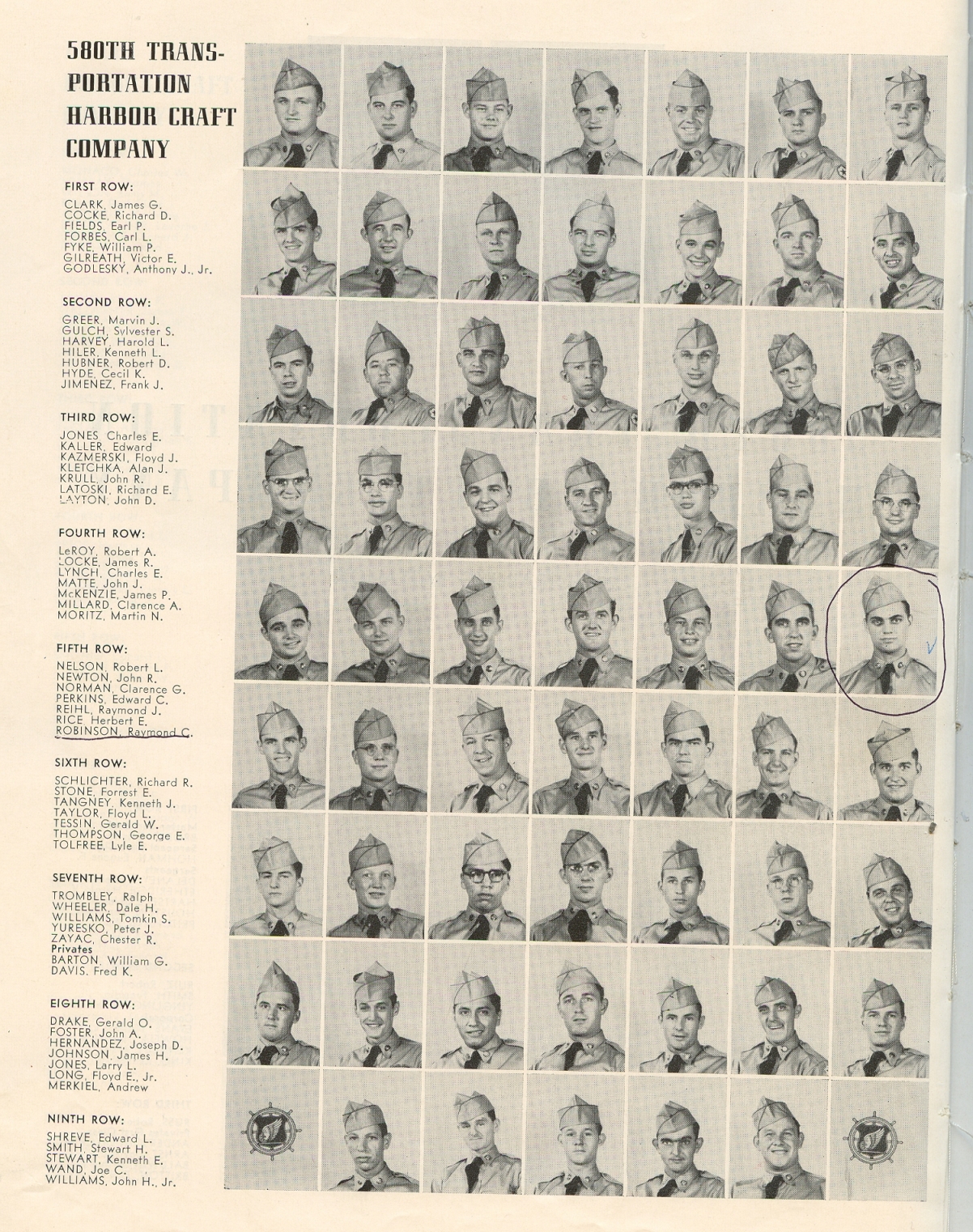

1) Introduction by The Brigadier General. 2) My dad circled his picture and underlined his name. 3) There's a short history of the base and lots of pictures depicting the work done on the base.

There are lots and LOTS of pictures depicting the work done on the base.
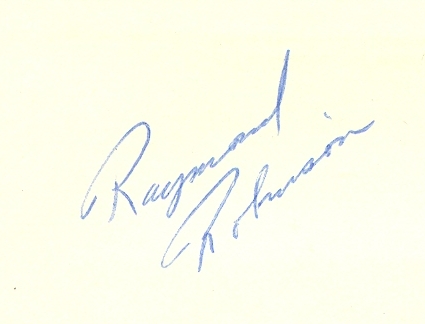
My Dad signed the inside cover

Published by
$75.00
plus postage (see below)
Sorry. I do not ship book rate.
Shipping: priority mail, medium flat rate box, $12.00
TOTAL COST = $87.00. Send payment via Paypal, or snail mail money order to:
Sue Robinson
PO Box 341751
Milwaukee WI 53234
A little history of Fort Eustis:
For more than 70 years, first as a camp and later as a post, Fort Eustis has had a proud heritage of supporting our nation's combat forces. Fort Eustis was known in colonial times as Mulberry Island. It was the residence of John Rolfe, husband of Indian Princess Pocahontas.
On March 7,1918, the Army bought Mulberry Island and the surrounding acreage for $538,000 in response to World War I. Camp Abraham Eustis was established as a coast artillery replacement center for Fort Monroe and a balloon observation school. It was named for Brevit Brigadier General Abraham Eustis, the first commanding officer of Fort Monroe.
It became Fort Eustis and a permanent military installation in 1923. It was garrisoned by artillery and infantry units until 1931, when it became a federal prison, primarily for bootleggers. Prohibition's repeal forced a prisoner decline and the post was taken over by various other military and non-military activities.
Fort Eustis was reopened as a military installation in August 1940 as the Coast Artillery Replacement Training Center. In 1946, Fort Eustis became home to the newly-formed Transportation School which moved here from New Orleans. Training in rail, marine, amphibious operations and other modes of transportation was consolidated at Fort Eustis. Today Fort Eustis is one of 16 Training and Doctrine Command Installations. It is the Spearhead of Logistics, home of the Transportation Regiment.
The Transportation Corps was established 31 July 1942 by Executive Order 9082. Transporters have a long history of answering the nations call. As far back as the Revolutionary War when General George Washington appointed the first Wagon Master, Transporters have been there to move and sustain American fighting forces.†